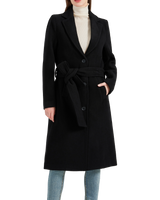
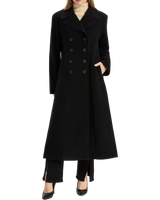
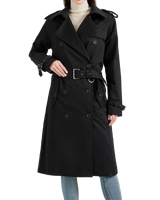
Overcoat vs Topcoat vs Crombie vs Peacoat: What's the Difference?
Updated October 2026. Written by The Platinum Tailor, a family tailoring business making wool overcoats since 2012.
Quick answer
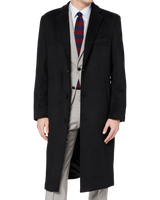
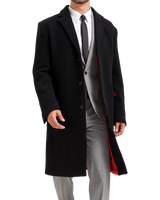
An overcoat is a long, heavy wool coat that finishes at or below the knee and is worn over a suit or knitwear in winter. A topcoat is the lighter, usually shorter version for autumn and spring. A Crombie is not a style at all: it is a Scottish cloth maker whose name became British slang for a good wool overcoat. A peacoat is a short, double breasted naval jacket in thick wool that stops at the hip. If you want one coat for a British winter, you want an overcoat.

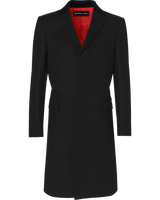
A covert overcoat: what most people picture when they say either Crombie or overcoat.
All the coat names in one table
| Name | Length | Cloth | Key features | Formality |
|---|---|---|---|---|
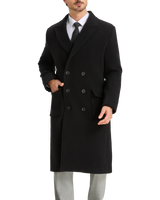
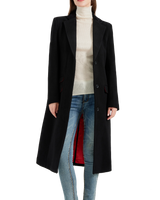
| Overcoat | At or below the knee | Heavy wool or wool blend | Cut to go over a suit, fully lined | Smart to formal |
| Topcoat | Usually just above the knee | Lighter wool, gabardine | Trimmer and lighter than an overcoat | Smart |
| Crombie | Knee length, typically | Originally Crombie cloth | A brand name used for any good wool overcoat | Smart |
| Peacoat | Hip length | Thick melton wool | Double breasted, big collar, naval origin | Casual to smart casual |
| Covert coat | Just below the knee | Dense twill wool | Velvet collar, concealed buttons | Smart to formal |
| Chesterfield | Knee length | Wool | Single breasted, no waist seam, often a velvet collar | Formal |
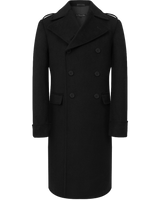
| Greatcoat | Below the knee | Very heavy wool | Double breasted, broad lapels, military origin | Formal |
| Polo coat | Below the knee | Wool or camel hair | Double breasted, half belt, patch or flap pockets | Smart |
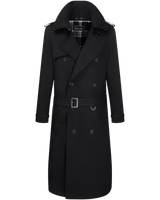
| Trench coat | Knee to mid calf | Water resistant cotton | Belt, epaulettes, storm flap | Smart casual to smart |
Overcoat vs topcoat
These two get mixed up more than any other pair, and in America people often use topcoat for both. The traditional difference is weight and length. An overcoat is the heavy winter coat. It is cut from dense wool, finishes at or below the knee and has enough room to go over a suit jacket. A topcoat is lighter and usually a little shorter, finishing just above the knee, and is meant for the in between months of autumn and spring.
In practice, if a coat is long, wool and warm enough for January, it is an overcoat. If you can comfortably wear it in April, it is closer to a topcoat. All of our wool coats are overcoats in that sense: 44 to 46 inches long and built for winter.
Crombie vs overcoat
A Crombie is a brand, not a style. J&J Crombie is a Scottish textile company founded in Aberdeen in 1805. For most of its history the name was linked to its cloth, a dense heavyweight wool with a slight nap that held its shape and shrugged off light rain. It became the cloth of choice for good British overcoats.
By the middle of the twentieth century the association was so strong that "Crombie" turned into everyday slang for a smart wool overcoat, particularly in the north of England and Scotland. It is the same thing that happened with Hoover and Biro. The brand became the object.
So when someone says they want a Crombie, they usually mean a classic, knee length, dark wool overcoat, often single breasted. That is exactly what an overcoat is. The real Crombie company also makes its own finished coats, which start at several hundred pounds, but the word in casual use covers everything from those to a market stall coat.
A Crombie coat is an overcoat. The word just used to promise that it was a good one.
Peacoat vs overcoat
A peacoat is a jacket rather than a long coat. It comes from naval dress, where sailors needed something warm that did not get in the way of climbing rigging, so it stops at the hip. It is double breasted with large buttons, broad lapels and a big collar you can turn up, and it is made from very thick melton wool.
Because it is short, a peacoat will not cover a suit jacket properly. It is a casual and smart casual coat, great with jeans and knitwear. An overcoat covers your suit, keeps your thighs warm and works for formal occasions as well as casual ones. If you can only have one, the overcoat does more.
The overcoat styles, explained
- Covert coat: single breasted with a concealed placket and a black velvet collar. It started as an English riding and hunting coat and became the classic City overcoat. Read what is a covert overcoat.
- Chesterfield: a close cousin of the covert. Named after a nineteenth century Earl of Chesterfield, it is a straight, single breasted coat without a waist seam, often with a velvet collar.
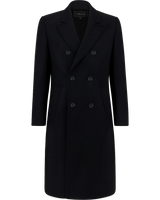
- Double breasted overcoat: two columns of buttons and peak lapels. Warmer and more formal than single breasted.
- Greatcoat: the heaviest and most structured overcoat, with military roots and the broadest shoulders.
- Polo coat: double breasted with a half belt at the back and turn-up cuffs. Originally worn by polo players between matches, now a heritage favourite.
- Trench coat: technically a raincoat rather than an overcoat, because it is cotton not wool. See trench coat vs overcoat.

Which one do you need?
- You wear suits to work and want one coat for winter: a single breasted overcoat or covert coat.
- You feel the cold or want more presence: a double breasted overcoat, polo coat or greatcoat.
- You mostly dress casually and want something short: a peacoat.
- You need something for rain more than cold: a trench coat.
- You want a lighter coat for spring and autumn: a topcoat.
Whatever you call it, check the same things before you buy: wool as the main fibre, a full lining, shoulders that sit at the edge of yours, and a length at or below the knee. Our winter 2026/27 overcoat guide goes through each style in more detail.
Frequently asked questions
What is the difference between an overcoat and a topcoat?
An overcoat is heavier and usually longer, finishing at or below the knee, and is made for winter. A topcoat is lighter, often finishes just above the knee, and is made for autumn and spring. In the US the two words are often used interchangeably.
Is a Crombie the same as an overcoat?
In everyday British English, yes. Crombie is a Scottish cloth maker founded in 1805 whose name became slang for a good wool overcoat. When people say Crombie they usually mean a classic, knee length, dark wool overcoat.
Is a peacoat warmer than an overcoat?
A peacoat uses very thick wool, so it is warm across the chest, but it stops at the hip. An overcoat covers more of your body, including your thighs, so it is warmer overall in wind and cold.
Can you wear a peacoat over a suit?
Not really. A peacoat is shorter than most suit jackets, so the jacket hem shows below it. An overcoat or topcoat is the right coat to wear over a suit.
What is a Chesterfield coat?
A formal, single breasted, knee length overcoat with no waist seam, often with a velvet collar. It is named after a nineteenth century Earl of Chesterfield and is very close in look to a covert coat.
Covert, double breasted, polo and greatcoat styles in wool and cashmere from £140. Free tracked UK delivery, 30 day returns.
Browse All Overcoats →